Protein Goes Mainstream: From Canned Tuna to the Restaurant Menu
Updated 3 Nov by HOFEX Team
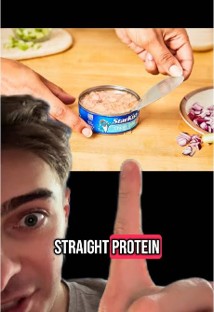
TikTok is giving canned tuna a new image — from pantry staple to a convenient, affordable, high-protein food for a younger audience.
Who had canned tuna becoming cool again on their 2026 food-trend bingo card?
Once the dependable but decidedly unglamorous resident of the kitchen cupboard, tinned tuna is finding a new audience among younger consumers. Tesco says its tuna demand has risen nearly 18% in two years, with younger shoppers attracted by its affordability, convenience and protein content. TikTok has helped too, turning simple tinned fish into recipe inspiration and social-media content. Tesco PLC
And tuna is only one sign of a much bigger shift.
The Protein Number Is Becoming the Product
Perhaps the biggest change is how openly businesses are now selling the number.
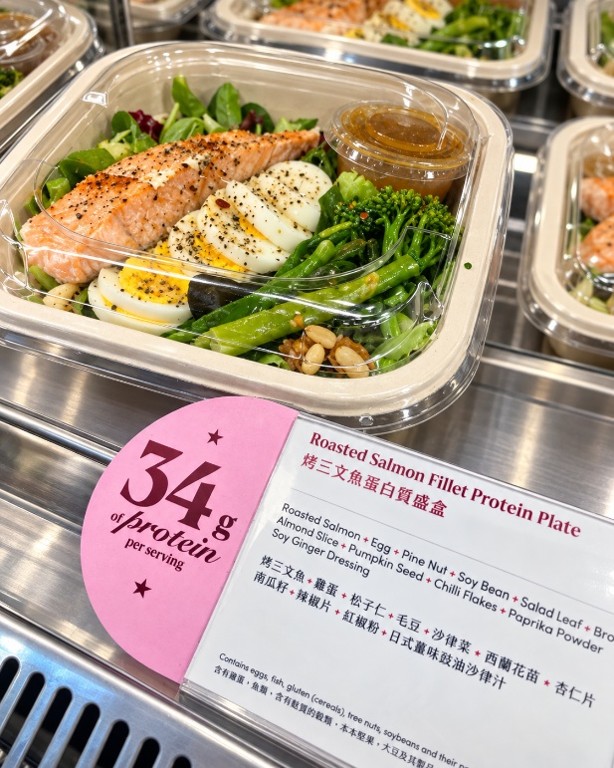
Instead of simply saying “high protein,” restaurants and ready-to-eat brands are putting 20g, 30g or 40g protein directly on menus and packaging.
That turns protein into something consumers can immediately compare, almost like price, calories or portion size.
Chipotle, for example, has introduced a high-protein menu featuring meals containing between 15g and 81g of protein. Food Business News
Protein is becoming a selling point: Prêt-à-Manger now highlights grams of protein per serving on its menu.
Protein Is Moving Into Unexpected Formats
The opportunity is not limited to meat, dairy or traditional protein products.
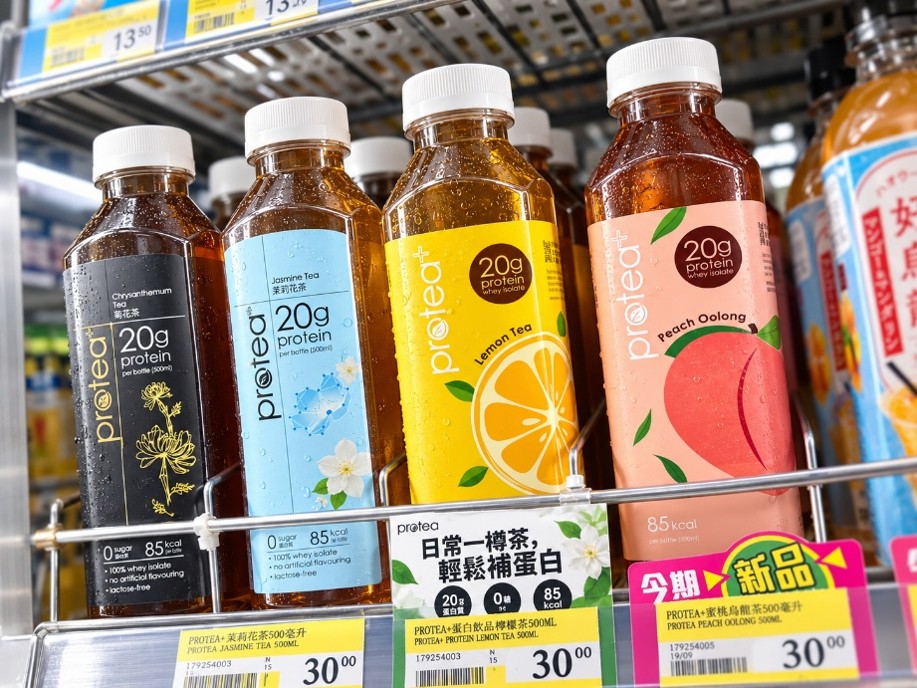
Beverages are becoming an important innovation space. Brands such as Protea are combining clear whey protein with tea flavours, offering a lighter alternative to the conventional milk-based protein shake.
Protea is bringing protein into a new drinking occasion, combining clear whey protein with tea flavours instead of the traditional milk-based shake.
Ready-to-eat food is following the same path. Protein now appears prominently on prepared chicken meals, sandwiches, bowls and other convenience foods. Campbell’s, for example, has moved its Chunky brand into frozen meals containing around 20g–28g of protein per serving. Food Business News
The common idea is simple: put protein into foods people already want to consume.
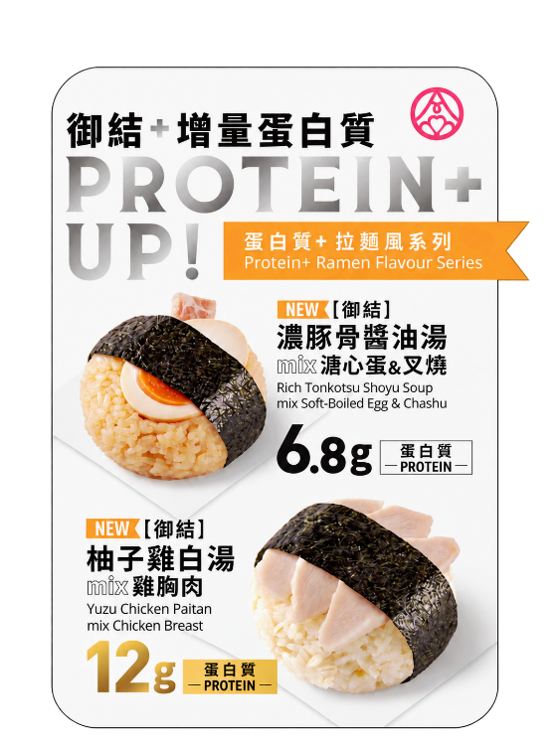
Protein is moving into everyday convenience food: Omusubi is putting protein count front and centre, turning it into part of the product appeal.
Foodservice research cited by Tyson found that 62% of consumers look for high-protein options on menus, while almost four in ten say they would pay more for a high-protein item. Tyson Foodservice
For F&B businesses, however, adding protein alone will not guarantee success. Consumers still expect taste, texture, convenience and value.
The more interesting question is therefore shifting from:
“Is it high protein?”
to:
“How much protein does it offer — and does it fit naturally into how I eat?”
For manufacturers, ingredient suppliers, restaurants and retailers, protein is no longer a specialist nutrition category. It is becoming an everyday product attribute — and increasingly, a number worth putting on the menu.
Shape the Future of Everyday Nutrition at HOFEX
As consumer expectations shift from general wellness claims to transparent, functional nutrition, the demand for innovative protein solutions—across ingredients, beverages, packaging, and ready-to-eat formats—has never been higher.
Are you developing high-protein ingredients, innovative beverages, or next-generation foodservice solutions? Connect with Asia’s leading buyers, chefs, and retailers seeking what’s next on the menu.